Français
 Español
 English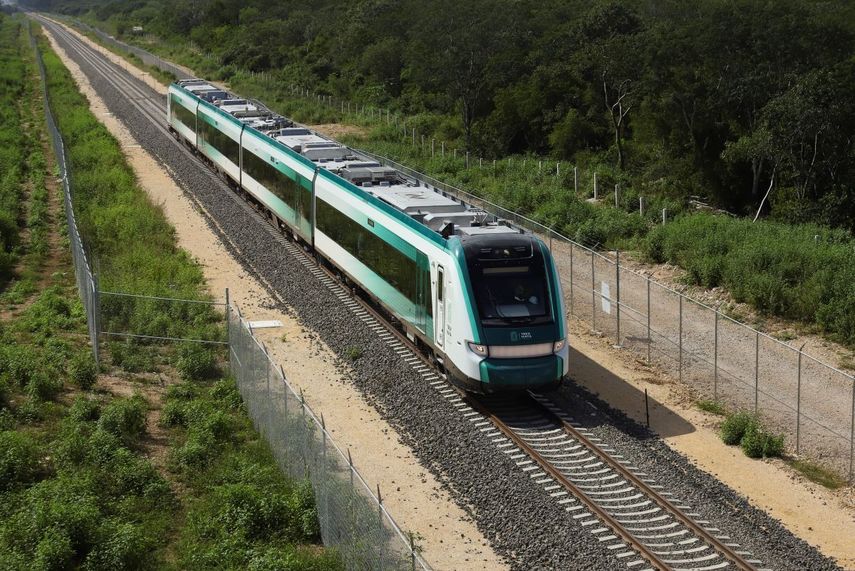
The Maya Train Effect: A 2026 Map of Property Appreciation Hubs
The landscape of the Mexican Caribbean has been officially redefined. In 2026, the Maya Train real estate impact is no longer a speculative theory; it is a measurable economic engine driving property values to historic highs. For the modern investor, understanding the “logística de plusvalía” (appreciation logistics) is the difference between a good investment and a generational wealth-builder. Maya Train Real Estate Impact: 2026 Property Value Map
The New Connectivity Paradigm
Before the train, the Riviera Maya was a linear market dependent solely on the 307 Highway. Today, the Maya Train real estate impact has transformed the region into a multi-dimensional network. Locations that were once considered “remote” are now primary hubs for tourism and residential growth.
The ability to travel from the Cancun International Airport to the heart of Tulum in less than 45 minutes—comfortably and sustainably—has shifted the demand from traditional hotel zones to integrated residential communities near the stations.
Top 3 Appreciation Hubs Triggered by the Train. Maya Train Real Estate Impact: 2026 Property Value Map
1. The Tulum Logistics Node
The station in Tulum is arguably the most significant catalyst for Quintana Roo real estate 2026. Properties located within a 5-to-10-mile radius of the station have seen an equity jump of over 18% since the line became fully operational. This hub isn’t just for tourists; it’s for the growing workforce and digital nomad population that requires high-speed connectivity to the rest of the peninsula.
2. Bacalar: The Southern Gateway
Perhaps the most dramatic Maya Train real estate impact is seen in Bacalar. What was once a four-hour drive from the nearest airport is now a scenic train ride. This accessibility has unlocked the “Lagoon of Seven Colors” to a global audience, causing land prices to appreciate faster than any other sector in the south. The key here is low-density, high-value development.
Feature Listing



3. Puerto Morelos: The Strategic Connection
As a mid-point between the two largest economic engines (Cancun and Playa del Carmen), Puerto Morelos has used its station to become the “commuter capital” for luxury professionals. The Maya Train real estate impact here is driven by convenience, making it a top choice for long-term rentals and high-yield residential assets.
Beyond Transport: The Rise of Smart Infrastructure
The train brought more than tracks; it brought fiber optic cables, improved electricity grids, and standardized urban planning. In 2026, investing near the Maya Train route means investing in the most modern infrastructure Mexico has ever offered. These “Smart Hubs” are attracting tech-forward developers who are building the sustainable communities of the future.
Final Strategy for 2026 Investors
To maximize the Maya Train real estate impact on your portfolio, your strategy must pivot toward the “Station Radius” and the “Commercial Corridors” that are forming around these nodes. Historical data from similar global infrastructure projects suggests that properties within a 15-minute radius of a high-speed transit station experience a more stable occupancy rate and a significantly higher resale value over a 10-year horizon. However, the window for entry-level pricing is closing fast. As we move through 2026, the market is shifting from speculative buying to “yield-chasing,” where properties with proven connectivity to the train are commanding premium rental rates.
For the serious investor, the goal should be to identify developments that offer “Last Mile” solutions—shuttles or bike-friendly paths connecting the station to the doorstep. These are the assets that will dominate the booking platforms and the secondary sales market. By aligning your capital with the government’s master urban plan, you aren’t just buying a condo; you are securing a position in the most important economic artery in the history of the Mexican Caribbean.
Maya Train Real Estate Impact: 2026 Property Value Map

The New Economic Artery: Measuring the Maya Train Real Estate Impact